Understanding the Longhorn Font: A Bold and Powerful Typographic Choice
The world of typography is vast and ever-evolving, with fonts playing a crucial role in how messages are communicated visually. One such font that stands out for its commanding presence and modern design is Longhorn. This slab serif font is not just another addition to the digital typeface library; it's a powerful tool for designers, businesses, and creatives looking to make a strong visual statement.
What Is the Longhorn Font?
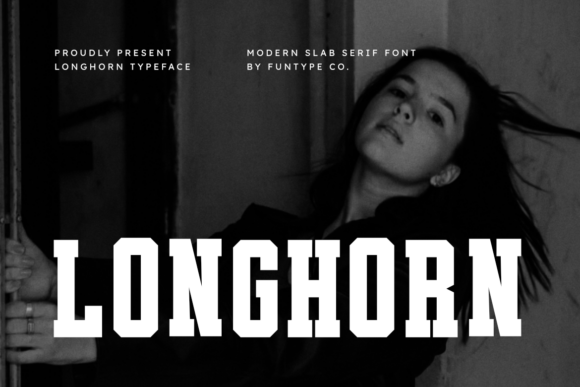
Longhorn is a bold and powerful modern slab serif font designed to deliver high-impact typography. Its wide, refined structure and clean geometric slab lines give it a distinctive look that commands attention. Whether used in headlines, logos, or advertising materials, Longhorn adds a sense of strength and professionalism to any design.
Slab serif fonts, like Longhorn, are characterized by their thick, block-like serifs that extend outward from the main strokes of the letters. This design gives them a robust and industrial feel, making them ideal for applications where visibility and impact are key. Longhorn takes this concept further by incorporating a modern aesthetic that balances tradition with innovation.
Key Features of the Longhorn Font
- Wide and Refined Structure: The font’s wide letterforms ensure maximum readability and visual weight, making it perfect for large-scale designs.
- Clean Geometric Slab Lines: Unlike traditional slab serifs that may appear heavy or outdated, Longhorn uses clean, geometric lines that feel fresh and contemporary.
- High-Impact Design: With its confident and commanding appearance, Longhorn is ideal for headlines, logos, and branding materials that need to stand out.
- Professional Look: The font’s refined details and balanced proportions give it a polished, professional appearance suitable for a variety of industries.
Why Choose Longhorn for Your Designs?
Typography is more than just choosing a font—it's about conveying the right message and emotion. Longhorn offers a unique combination of strength and elegance, making it a versatile choice for different design needs.
For professional logos, Longhorn provides a strong foundation that reflects confidence and authority. Its boldness ensures that the logo remains visible and memorable, even at smaller sizes. In industrial branding, the font’s geometric structure aligns well with modern, tech-driven aesthetics, offering a sleek and sophisticated look.
In advertising posters, Longhorn can be used to create eye-catching headlines that draw attention and communicate the message effectively. Its clean lines and strong presence make it an excellent choice for campaigns that require a commanding visual impact.
Practical Applications of the Longhorn Font
The versatility of Longhorn makes it applicable across various fields. Here are some practical examples of how it can be used:
- Headlines and Titles: Use Longhorn for headlines in magazines, websites, or presentations to add a strong, professional touch.
- Logos and Branding: Incorporate Longhorn into your brand identity to create a consistent and impactful visual language.
- Advertising Materials: Apply the font to billboards, flyers, and digital ads to capture attention and reinforce your message.
- Industrial and Tech Industries: Longhorn’s modern slab serif style complements the aesthetics of technology, engineering, and industrial sectors.
Whether you're designing a website, creating a marketing campaign, or developing a brand identity, Longhorn can help elevate your work with its strong and modern typographic presence.
Compatibility and Availability
To ensure that Longhorn can be used across different platforms and projects, it is available in both OTF (OpenType Font) and TTF (TrueType Font) formats. These formats offer maximum compatibility with design software such as Adobe Photoshop, Illustrator, and InDesign, as well as other graphic design tools.
The availability of multiple file types means that designers can easily integrate Longhorn into their workflow without worrying about technical limitations. Whether you're working on a desktop application or a web-based project, Longhorn is ready to deliver high-quality typography.
Longhorn in Modern Design Trends
Typography trends often reflect the cultural and technological shifts of the time. Longhorn aligns with current design movements that emphasize boldness, clarity, and minimalism. Its clean lines and strong structure make it a natural fit for modern design aesthetics that prioritize readability and impact.
In the era of digital media, where visuals play a critical role in communication, having a font like Longhorn can make a significant difference. It helps designers create content that is not only visually appealing but also effective in conveying the intended message.
Common Misconceptions About Slab Serif Fonts
While slab serif fonts like Longhorn are powerful, they are sometimes misunderstood. Some people may think that they are too heavy or difficult to read, especially in long blocks of text. However, when used appropriately, slab serifs can be both readable and aesthetically pleasing.
It's important to note that Longhorn is designed with balance in mind. Its refined structure ensures that it remains legible even at smaller sizes, making it suitable for a wide range of applications. Additionally, its modern interpretation of the slab serif style avoids the outdated look that some traditional fonts may have.
Conclusion
The Longhorn font is more than just a typeface—it's a powerful tool for designers and creatives looking to make a strong visual impact. With its bold, modern design and versatile applications, it offers a unique way to enhance typography in various contexts. Whether you're working on a logo, an advertisement, or a branding project, Longhorn can help you achieve a professional and commanding look.
By understanding the purpose and significance of fonts like Longhorn, you can make more informed decisions about your design choices. Typography is an essential part of visual communication, and selecting the right font can make all the difference in how your message is received and perceived.