Vintagecinema Regular: A Bold Typographic Nostalgia for Modern Creators
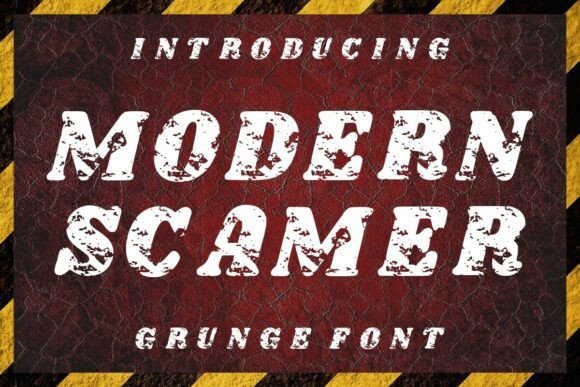
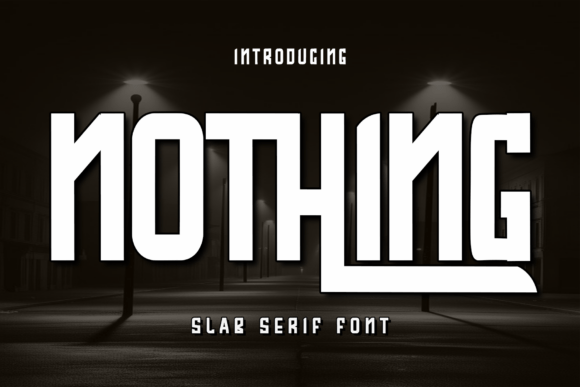
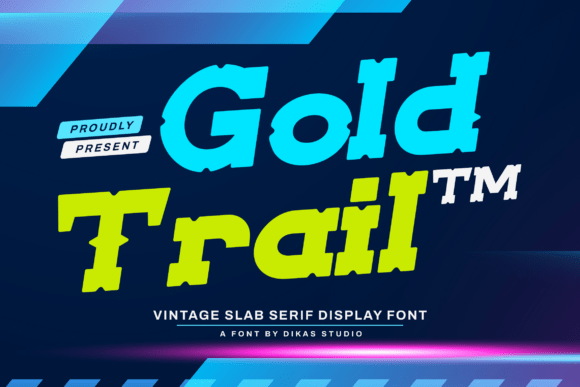
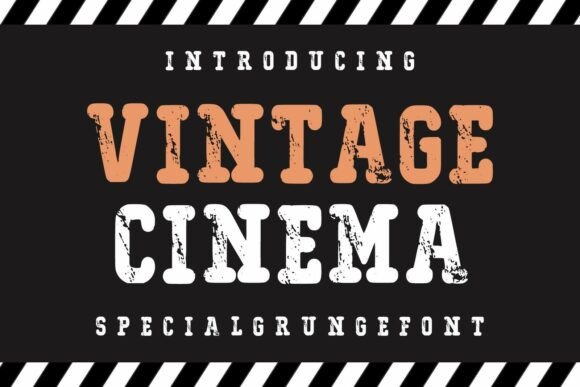
For anyone looking to add a touch of old-world charm with a modern edge, Vintagecinema Regular is a standout choice. This typeface isn’t just about looks—it’s about storytelling through typography. With its slab-serif structure and grunge-style textures, it brings the essence of retro film posters and weathered marquee signs into the digital age. Whether you're designing a poster, branding a business, or creating content with a vintage flair, this font can elevate your work in ways that feel both authentic and impactful.
Unlike many fonts that aim for clean simplicity, Vintagecinema Regular embraces imperfection. Its distressed surface mimics the look of aged paper, faded ink, or weathered metal, giving it a unique character that stands out in a sea of generic designs. This makes it perfect for projects that want to evoke nostalgia without sacrificing clarity or professionalism.
When and Where to Use Vintagecinema Regular
One of the most common uses for Vintagecinema Regular is in visual design for events or promotions. Think of a music festival flyer, a film screening announcement, or a themed party invitation. The font’s boldness and texture make it ideal for headlines that need to grab attention while still feeling like they belong in a bygone era. For example, a local theater group might use it for a play poster to give it a classic, cinematic vibe that resonates with audiences who appreciate the art of storytelling.
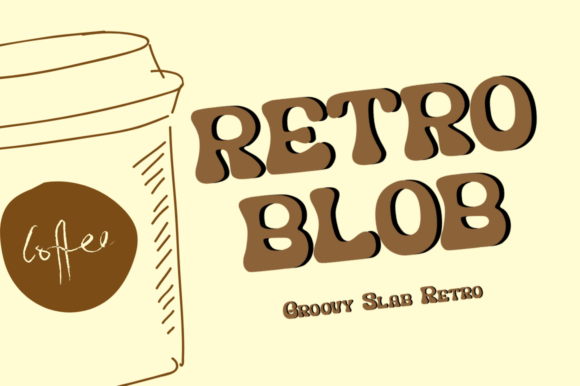
Entrepreneurs and small business owners often turn to Vintagecinema Regular for branding that feels personal and distinctive. A boutique coffee shop might use it for signage or packaging to create a warm, inviting atmosphere that feels like a trip back in time. Similarly, a vintage clothing store could use it on their website or social media to reinforce their brand identity and attract customers who value authenticity and style.
Designers working on editorial projects, such as magazines or blogs, may find Vintagecinema Regular useful for headlines or section dividers. It adds a sense of drama and depth that can make a layout more engaging. For instance, a lifestyle blog focusing on retro culture might use the font for feature titles to immediately set the tone and attract readers interested in nostalgic themes.
Who Benefits from Using Vintagecinema Regular?
Creators in the entertainment industry—like filmmakers, musicians, or artists—often use Vintagecinema Regular to enhance their promotional materials. A filmmaker might use it for a movie title card or a trailer poster to give it a vintage feel that complements the film’s theme. A musician launching an album could use it for a cover design to create a visual identity that feels timeless and artistic.
Marketers and advertisers also benefit from using this font in campaigns targeting specific demographics. For example, a campaign aimed at millennials or Gen Z might incorporate Vintagecinema Regular to tap into a growing interest in retro aesthetics. It can be used in print ads, social media graphics, or even in email newsletters to create a memorable and visually appealing experience.
Educators and students working on creative projects can also find value in Vintagecinema Regular. A history class studying 20th-century media might use it for a presentation or a project report to illustrate how design elements reflected the culture of the time. Similarly, a graphic design student experimenting with different styles could use it to explore how texture and form influence visual communication.
Considerations Before Using Vintagecinema Regular
Before diving into using Vintagecinema Regular, it's important to consider the context and audience. While its rugged aesthetic is appealing, it may not be suitable for every project. For example, a corporate website or formal document might require a more polished and professional font. In such cases, Vintagecinema Regular could come across as too informal or distracting.
Another consideration is readability. While the font is designed to be legible, its textured appearance may affect how well it works in smaller sizes or on certain backgrounds. Testing it in different formats—such as print, web, or mobile—is essential to ensure it meets your needs. Additionally, users should be aware of licensing terms if they plan to use it commercially, as some fonts have restrictions on usage rights.
Finally, it's worth experimenting with how the font pairs with other elements in a design. Combining it with simpler fonts or neutral colors can help balance its strong presence and ensure it enhances rather than overwhelms the overall composition.
Real-World Applications of Vintagecinema Regular
Imagine a local bookstore that wants to promote a “Retro Film Night” event. Using Vintagecinema Regular for the event title on a poster would immediately signal the theme and attract attendees looking for a nostalgic experience. The font’s aged look could be paired with a sepia-toned background and classic film reel imagery to create a cohesive and immersive design.
Or consider a food blogger creating a recipe post about “Old-School Comfort Food.” Adding a headline in Vintagecinema Regular could give the post a vintage cookbook feel, making it more engaging and visually distinct. It could also be used for subheadings or captions to maintain a consistent theme throughout the content.
In the realm of digital marketing, a travel agency promoting “Vintage Getaways” could use the font in social media posts to highlight destinations that offer a nostalgic or historical experience. The font’s bold and textured style would stand out in a crowded feed, helping the brand capture attention and convey its unique selling point.
Vintagecinema Regular is more than just a font—it’s a tool for creating visual stories that resonate with people. Whether you're a designer, marketer, educator, or hobbyist, it offers a way to infuse your work with a sense of history, character, and authenticity. By understanding where and how to use it effectively, you can unlock its full potential and bring a fresh, nostalgic energy to your projects.